


-

Add: HeBei ShengShi HongBang Cellulose Technology CO.,LTD.
-

Email
13180486930@163.com -

CONTACT US
+86 13180486930

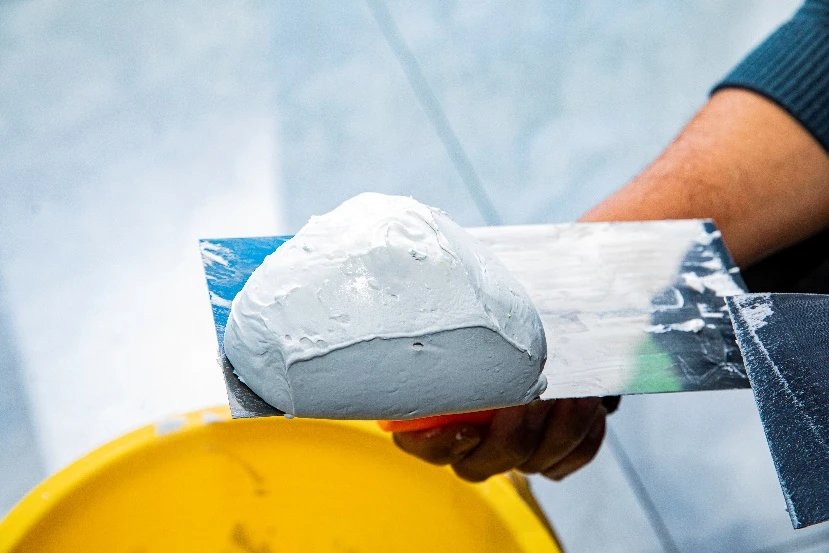


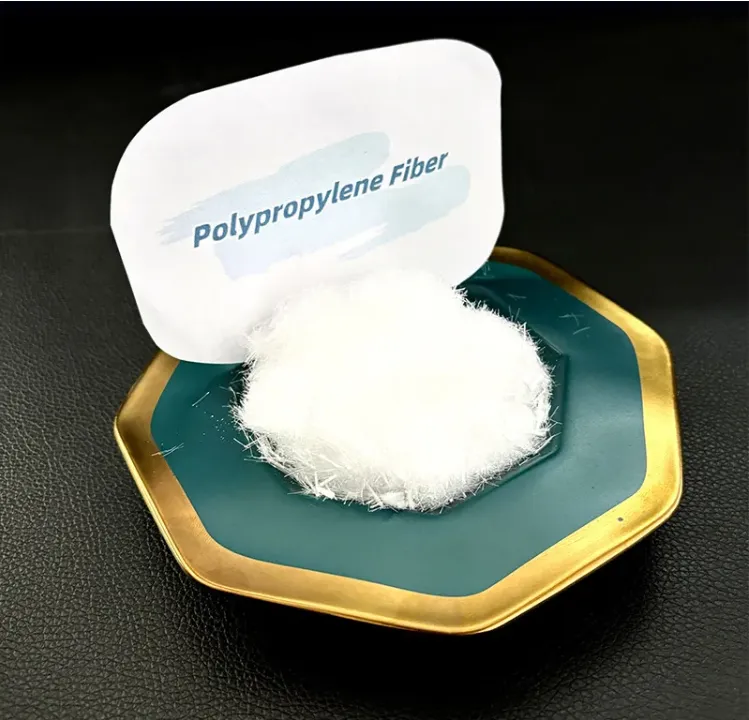
Fiberglass for Concrete Mix Enhancing Strength and Durability Concrete is one of the most widely used construction materials in the world, known for its strength and versatility. However, it does have its limitations, such as brittleness, susceptibility to cracking, and overall weight. To tackle these challenges, the incorporation of fiberglass into concrete mixes has emerged as a game-changing solution that boosts performance while maintaining the same traditional characteristics of concrete. What is Fiberglass? Fiberglass, or glass fiber, is a reinforced plastic material composed of fine fibers of glass. It is known for its high strength-to-weight ratio, excellent resistance to corrosion, and impressive insulation properties. When added to concrete mixes, fiberglass can significantly enhance the material's overall performance, making it a popular choice in various construction applications. Benefits of Fiberglass in Concrete Mixes 1. Improved Tensile Strength One of the most significant advantages of incorporating fiberglass into concrete is the enhancement of tensile strength. Traditional concrete tends to be strong in compression but weak in tension, which can lead to cracks and structural failures. By adding fiberglass, the tensile strength increases, making the concrete more resistant to stress and load-bearing requirements. 2. Reduced Shrinkage and Cracking Fiberglass acts as a reinforcement that helps to minimize shrinkage during the curing process. This reduction in shrinkage translates to a decreased risk of cracking, which is often a common issue in standard concrete mixes. By effectively controlling cracking, fiberglass-reinforced concrete extends the lifespan of structures and reduces the need for repairs. 3. Lightweight Composition The lightweight nature of fiberglass compared to traditional reinforcement materials like steel means that concrete mixes can maintain lower overall weight. This can reduce the structural load on foundations while still providing the necessary strength and durability. Such lightweight composition is particularly advantageous in projects where load restrictions are critical. fiberglass for concrete mix 4. Enhanced Durability Fiberglass is naturally resistant to corrosion and chemical attack, which can often plague concrete exposed to harsh environmental conditions. By incorporating fiberglass, the resulting concrete becomes more robust against moisture penetration, temperature fluctuations, and aggressive chemicals, making it ideal for use in areas such as coastal regions, industrial sites, or places with severe weather. 5. Cost-Effectiveness While there may be initial costs associated with adding fiberglass to concrete mixes, the long-term savings are significant. The durability and reduced maintenance associated with fiberglass-reinforced concrete often lead to lower repair and replacement costs over the lifecycle of a structure. Additionally, the efficiency of construction and the potential reduction in material usage can further offset expenses. Applications of Fiberglass-Reinforced Concrete The application of fiberglass in concrete mixes spans across various sectors including residential, commercial, and industrial construction. From precast concrete products to architectural elements, such as facades and sculptures, fiberglass enhances the performance and aesthetic appeal of concrete structures. One notable application is in the construction of pavements and flooring systems. The addition of fiberglass not only improves the structural integrity but also provides slip resistance, ensuring safety in both industrial and commercial environments. Moreover, the use of fiberglass in thin overlays and shotcrete processes shows significant promise, allowing for quick application with high durability. Conclusion In conclusion, the integration of fiberglass into concrete mixes presents a wealth of benefits that significantly enhance the material's performance. Improved tensile strength, reduced shrinkage, enhanced durability, and lightweight composition make fiberglass-reinforced concrete an excellent choice for modern construction projects. As the construction industry continues to evolve, adopting innovative materials like fiberglass will be crucial in meeting the demands for stronger, more resilient, and cost-effective building solutions. By embracing these advancements, engineers and architects can create structures that not only stand the test of time but also contribute to more sustainable development practices.
- 40000tons

Production
- 20+years

Experience
- 5000+㎡

Acreage

-
Rubber powder, an increasingly significant material in various industrial applications, exhibits unique properties that make it an invaluable element across multiple sectors. Its versatility and functionality open up creative avenues for sustainable and innovative solutions. Through years of professional experience and expertise, I present a comprehensive exploration of the applications of rubber powder, emphasizing its authority and trustworthiness in diverse product categories. Understanding Rubber Powder and Its Production Process Rubber powder, often derived from scrap tires, is processed through a meticulous grinding method that ensures uniform particle size. The resulting material is fine and consistent, exhibiting several advantageous characteristics such as elasticity, durability, and resilience. These attributes have propelled it into the spotlight as an eco-friendly alternative and supplement in numerous industries. Construction Industry Revolution In the construction realm, rubber powder is reshaping material composition and enhancing functional attributes. By integrating rubber powder into concrete and asphalt, builders experience improved flexibility and crack resistance, critical in extending the lifespan of roads and structures. Additionally, it plays a pivotal role in green building certifications, offering builders sustainable choices that align with global environmental standards. The construction industry benefits from its sound and thermal insulation properties. By incorporating rubber powder into materials, builders achieve enhanced noise reduction and energy efficiency, thereby delivering superior living and working environments. Automotive Innovation and Longevity The automotive sector leverages rubber powder for its potential to enhance tire durability and performance. As vehicle tires endure diverse environmental challenges, the integration of rubber powder offers improved traction and reduced wear. This contribution not only extends the service life of tires but also underpins automotive manufacturers' responsibility towards eco-friendly production. Moreover, the interior of vehicles now incorporates rubber powder for soundproofing and vibration dampening . Today’s consumers demand quieter and more comfortable rides, and the inclusion of rubber powder meets these expectations while maintaining cost effectiveness. Revolutionizing Sports and Recreational Surfaces Sports facilities and playgrounds require surfaces that ensure safety, durability, and shock absorption. Rubber powder fulfills these requirements by being an essential component in the manufacturing of artificial turfs and playground surfaces, mitigating injury risks significantly. Its inherent elasticity provides cushioning and impact resistance, making sporting activities enjoyable and accident-free. applications of rubber powder wikipedia With increasing attention to sustainability, sports complexes adopting rubber powder-enhanced surfaces also contribute to recycling efforts, transforming what was once waste into valuable resources. Footwear and Fashion Blending Style with Function The fashion industry has warmly embraced the utility of rubber powder in footwear, with manufacturers integrating it into soles for increased durability, slip resistance, and comfort. As sustainability takes precedence in consumer trends, rubber powder becomes a badge of eco-consciousness and innovation, merging fashion with practical benefits. In accessories and apparel, rubber powder enables designers to produce products that withstand harsh environments while retaining aesthetic appeal. This dual capability assures consumers of the value in their purchases, harmonizing style with functionality. Innovations in Industrial Applications Beyond these sectors, rubber powder’s properties are advantageous in several industrial applications, including adhesives, sealants, and coatings. Its integration improves adhesion, elasticity, and resistance to environmental factors, promoting longevity and efficiency in industrial processes. Rubber powder’s adaptability transcends traditional uses, allowing industries to explore novel applications that redefine production methodologies. For instance, in lightweight construction materials and advanced composites, rubber powder contributes to enhanced mechanical properties and cost optimization. Future Outlook and Responsibility As we gaze towards future developments, rubber powder’s role in technological innovation continues to expand. It supports efforts in waste reduction and promotes circular economies, asserting its position as a material of the future. Industries embracing rubber powder are not only investing in superior product development but also endorsing global sustainability targets. On an authoritative note, it is crucial for businesses to partner with credible suppliers who adhere to industry standards and regulations, ensuring quality and reliability in rubber powder applications. This trustworthiness fortifies brand reputation and customer loyalty. In summary, rubber powder's applications render it indispensable in reshaping industrial landscapes. Its diverse benefits resonate across a spectrum of product domains, evidencing the profound impact that expert utilization can yield. Through continued research and development, rubber powder is poised to lead the charge towards an innovative and sustainable industrial evolution.
-
Hydroxypropyl distarch phosphate (HDP) is an essential modified starch used across a variety of industries , from food production to pharmaceuticals. Its unique properties make it a preferable choice for manufacturers looking to improve the texture, stability, and shelf-life of their products. This article delves into the multifaceted benefits and applications of HDP, drawing on the expertise of industry professionals and real-world experiences to provide a comprehensive understanding. At its core, hydroxypropyl distarch phosphate is a chemically modified starch made by introducing hydroxypropyl groups into the starch molecule. This modification grants the starch increased stability against heat, acid, and shear, making it invaluable especially in processes involving high temperatures or high shear mixing. For food scientists and manufacturers aiming to enhance the quality of processed foods, HDP offers several advantages. It significantly improves the texture and mouthfeel of culinary products. In sauces and gravies, for example, HDP functions as a thickening agent that withstands the rapid heating and cooling cycles often encountered during production or usage. The stability provided by HDP ensures that products retain their desirable consistency over time, thereby extending shelf life and maintaining consumer satisfaction. Moreover, HDP's compatibility with other ingredients is a significant boon for food formulation. It allows for seamless integration into a wide array of recipes, providing uniformity and consistency without compromising flavor or aroma. From baked goods that require moisture retention to dairy products needing a specific creamy texture, the versatility of HDP is crucial. The expertise in producing hydroxypropyl distarch phosphate extends beyond its functional benefits. Producers must adhere to stringent safety and quality standards to ensure that the modified starch is safe for consumption. Regulatory bodies such as the FDA and EFSA approve the use of HDP within specific limits, attesting to its safety when used accordingly. Expert manufacturers implement rigorous quality control processes, analyzing each batch to affirm compliance with these standards, thereby instilling trust in their product. hydroxypropyl distarch phosphate When addressing the pharmaceutical industry, HDP is especially important. It serves as a disintegrant in tablet formulations, aiding in the efficient release of active ingredients once ingested. This functionality is vital for the efficacy of many medications, where precise control over disintegration time affects overall therapeutic effectiveness. Real-world experiences emphasize the transformative power of HDP in product development. Experienced R&D teams often recount how the introduction of this starch into their formulations allowed them to overcome significant challenges, such as achieving the desired viscosity in low-temperature processing or stabilizing emulsions where traditional starches failed. Establishing trustworthiness in HDP's use involves comprehensive documentation and transparency about the sourcing, processing, and application methodologies. Industry leaders in starch modification frequently engage in partnerships with academic institutions and research organizations to remain at the forefront of innovation and application. In practice, using HDP requires understanding its interaction with other components in formulations. Experts recommend starting with small experimental batches to fine-tune the quantity needed for desired outcomes. Experience has shown that while HDP is robust, achieving perfect results may require some tailoring based on the specific matrix in which it is used. In conclusion, hydroxypropyl distarch phosphate is much more than just a modified starch; it's a cornerstone additive that underpins the efficiency and quality of numerous products across diverse industries. Its verified safety, coupled with substantial expert backing, renders it a trustworthy component in the relentless pursuit of product excellence. By leveraging both the experience and profound expertise surrounding HDP, manufacturers can significantly enhance the quality, safety, and appeal of their offerings, ensuring consumer satisfaction and fostering long-term success.
advantages
-

200000 Viscosities
Excellent product
We can produce pure products up to 200,000 viscosities
-

40000 tons
High yield
We don’t stop production all year round, and the annual output can reach 40,000 tons
-

24 hours
Quality service
We provide 24-hours online reception service, welcome to consult at any time
———— Inquiry Form
Schedule A services

-
 ether_d_amidon_pour_mortier_sec
Oct . 25, 2025
Understanding Cellulose Derived from Wood Cellulose is one of the most essential organic polymers fo -
 hormigon_de_fibra_de_polipropileno
Oct . 25, 2025
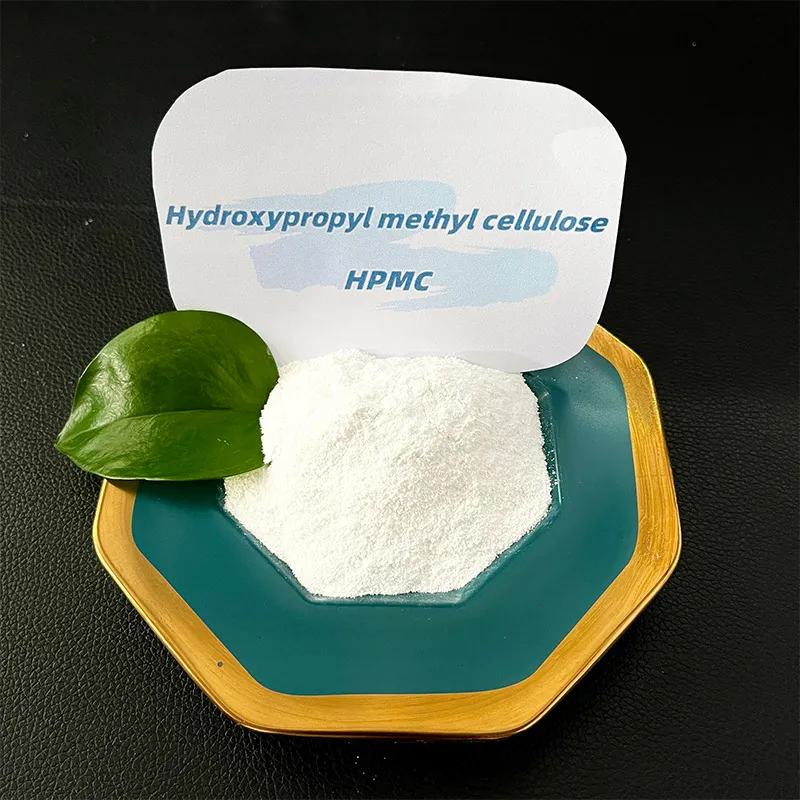
Hydroxypropyl methylcellulose (HPMC) is widely recognized in the realm of product formulation, parti -
 kimia_kayu_dan_selulosa
Oct . 25, 2025
Hydroxypropyl methylcellulose , commonly known as HPMC, is a versatile compound extensively utilized


